

This article provides some quick and easy methods to ground yourself when you are experiencing intense emotions. Grounding tools are simple and action-oriented activities to help bring yourself back into the present moment. Grounding tools help you manage and ease distressing or overwhelming feelings. Grounding tools (support for emotional regulation)
Emotional regulation when emotions are overwhelming
We all experience moments when we feel overwhelming emotions – frustration, fear, anger, sadness or anxiety. These moments might be bought on by our own thoughts, the environment, a situation or the people around us at home or at work.
Emotional regulation is a key part of emotional intelligence (sometimes referred to as EI or EQ – see Emotional Regulation – A key element of Emotional Intelligence (EQ)). Typically, we learn how to regulate our emotions when we are young with the help of our parents or caregivers. But some of us didn’t have the opportunity to learn how to regulate emotions healthily and effectively when we were young so we must learn later in life.
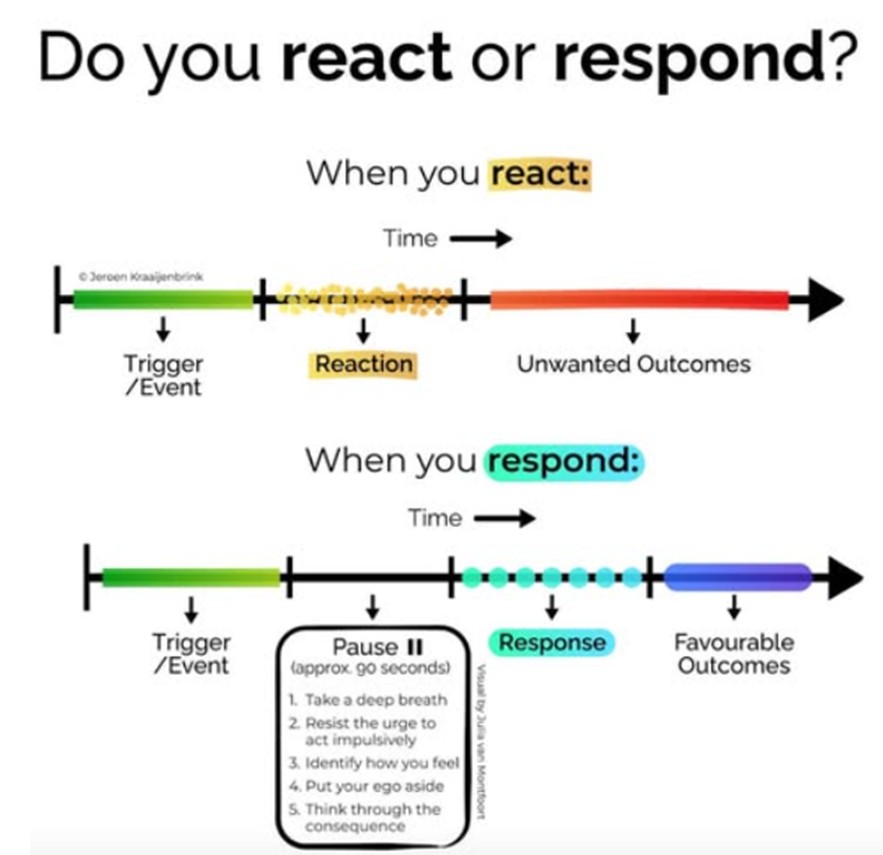
You need to give yourself some time (at least 90 seconds) when strong emotions are provoked or triggered – so that you respond rather than react. (see Confidence – Radiators and Drains and the 90 second rule).
There’s a technique from Timothy Gallwey in Inner Game (from sports psychology) that might help – STOP method – it’s like grounding. And a lot of mindfulness techniques use a similar approach.
- Step back
- Think
- Organise your thoughts
- Proceed when you know your best action.
As a therapist, I help my clients regain a sense of calm and safety when their emotions are overactive. This is particularly important when a client is experiencing anxiety or panic attacks – or recalling memories of an upsetting or traumatic experience. Grounding techniques are one way to help restore your calm. We also use grounding techniques when working on the first stage of trauma recovery – helping clients achieve safety and stabilisation (See below).
Grounding techniques to help you return to the present moment
Grounding tools in therapy are practical, action-oriented techniques used to bring individuals back to the present moment and calm the nervous system during distress, anxiety, trauma-related dissociation or panic attacks. These techniques foster a connection to the immediate environment, help to reduce overwhelming emotions, flashbacks and mental spiralling. They foster increased calm and mental clarity.
There are many different grounding techniques. Experiment with a few – and practice – until you find something that feels right. People often practice grounding techniques in their therapy sessions.
Physical Grounding Tools
- Temperature shock
- Run cold water over your hands
- Hold an ice cube
- Splash freezing water on your face
- Physical movement – Exercise is an excellent way to remove stress chemicals from your body and to release endorphins. You can use a pattern interrupt to change your bodily state
- Move your body and take note of what you feel (weight, tension etc)
- Stand up and walk around
- Stretch your arms, legs or body
- Jump up and down
- Dig your heels into the floor
- Tactile objects
- Carry a smooth stone and concentrate on feeling its shape and weight
- Hold a stress ball or fidget toy and focus on its texture
- Breathing. You can do simple slow breaths to calm your system.
- Box breathing technique
- Breathe in for four seconds
- Hold for four seconds
- Breathe out for four seconds
- Hold for four seconds. Then repeat
- Longer exhales activate the parasympathetic nervous system to reduce stress and lower blood pressure within minutes. The longer exhale triggers the vagus nerve which signals the body to relax
- Breathe in for four seconds
- Hold for four seconds
- Breathe out for seven seconds
- Hold for seven seconds
- “Slow breathing is like an anchor in the midst of an emotional storm.; the anchor won’t make the storm go away, but it will hold you steady until it passes” Russ Harris
- Box breathing technique
- Hum – Humming calms the body by stimulating the vagus nerve through vibrations in the throat and chest. This activates the parasympathetic nervous system (the “rest and digest” system).
- Focus on your feet
- Think about your feet on the ground
- Focus on how it feels for each part of your foot to connect to the ground
- If you are in a suitable environment, remove your shoes and socks and focus on the feeling of your feet on the carpet or grass or wood beneath you
- Progressive Muscle Relaxation
- Tense and release different muscle groups, starting from your toes and moving up through your body to your neck
- This technique can also helps you to relax and go to sleep
- Butterfly tapping – A rhythmic, bilateral stimulation approach from EMDR (Eye Movement Desensitization and Reprocessing) therapy
- Cross your arms over your chest and make a butterfly shape by interlocking your thumbs
- Place your hands and finders as vertical as possible – pointing towards your neck
- Close your eyes or focus on the tip of your nose
- Move your hands like a butterfly gently flapping its winder. Tap yourself while breathing deeply
- Notice what thoughts, images, feelings, physical sensations are going through your mind
Mental Grounding Techniques
- The 5-4-3-2-1 technique
- Look around you and note:
- 5 things you can see
- 4 things you can feel (e.g. the chair against your back, air flow)
- 3 things you can hear (e.g. clock ticking, traffic noise outside etc)
- 2 things you can smell
- 1 thing you can taste
- Label your emotion
- Emotion labelling works as precision activates your pre-frontal cortex and can reduce amygdala (which manages the threat response) intensity by up to 50%
- Be precise – move from “I’m angry” to “I feel disrespected”
- Category activity
- Choose a category (e.g., dog breeds, cities) and name as many as you can
- Alphabet game
- Pick a topic (e.g. countries, foods) and list items for every letter in the alphabet.
- Mental arithmetic
- Count backwards from 100 in sevens or threes
- Shift your perspective
- If someone else has caused your overwhelming emotions, try to find an alternative explanation for their behaviour
- Ask yourself “If I were them, what might I be feeling?” and then ask yourself “What is a more likely or more generous interpretation?”
- Observe colours
- Select a colour and look around you to name 10 objects of that colour
- Reframe your response
- CBT (Cognitive Behaviour Therapy) suggests that cognitive reappraisal can help
- Rather than think “This is happening to me” – reframe your experience. For example “This is happening and I’m choosing to respond by..”
Soothing Grounding Techniques
- Anchoring phrases
- Repeat a mantra such as “I am (Name). I am safe. This is just a thought”
- Visualisation
- Visualise a “happy place” where you feel safe and calm
- Develop a rich sensory experience in your mind – What can you see? What can you hear? What can you smell? What can you touch?
- Imagine yourself in your happy place
- Neurolinguistic Programming (NLP) offers more sophisticated visualisation techniques (see What is NLP (Neuro Linguistic Programming)? – Kim Tasso) and some therapists build visualisations into their practice (see The Tools – Five life-changing techniques to unlock your potential)
- Mindfulness and meditation
- These are big topics but essentially encourage you to focus on the present moment by quietening your mind and observing any thoughts or feelings that emerge
- There are some excellent apps to help in this area such as Headspace
- Book Review: The Power of Now by Eckhart Tolle
- Connect with nature
- Although it isn’t always possible, you will feel calmer if you walk (which involves exercise) in a green or natural environment
Working with trauma
When working with clients who have experienced trauma, therapists progress through three stages. It is during the first phase that grounding techniques are taught and used:
1. Safety and stabilisation
Goal: Re-establish a sense of safety, trust and control
Focus: Restore physical safety, manage symptoms (e.g., flashbacks or panic attacks), establish a therapeutic alliance and develop coping skills to stabilize the nervous system
2. Remembrance and mourning
Goal: Process traumatic memories and grieve losses
Focus: Explore the story of the trauma, process memories, and mourn what was lost (e.g., sense of self or loved ones).
3. Reconnection and integration
Goal: Build a new future and integrate the trauma into your life story
Focus: Reconnect with others, find purpose or “survivor mission” and develop a new identity that is not solely defined by the trauma
There are various books on recovering from trauma:
What happened to you? Conversations on trauma, resilience November 2025
Book reviews on stress and trauma – “When the body says No” June 2024
Book review: How to do the work (recognise your patterns December 2023
Related articles on mental health and therapy topics
My therapy web site is: Tasso Talking Therapy (Please don’t hesitate to telephone or email for an informal and confidential chat about your mental health)
Articles on mental health and therapy
Healthy boundaries at home and at work – how to set and maintain January 2026
Confidence – Radiators and Drains and the 90 second rule January 2026
The stress bucket, healthy coping mechanisms and resilience December 2025
What do I do if I’m feeling stuck? – Kim Tasso October 2025
Improve mental health at work, in marketing and for women September 2025
Assertiveness toolbox – Kim Tasso May 2025
What happens in therapy? – Kim Tasso April 2025
Confidence to overcome a fear of failure – Kim Tasso September 2024
my relationships like rollercoaster rides? Volatile relationships (kimtasso.com) August 2024
How do you choose a therapist? – Kim Tasso July 2024
Emotional Regulation – A key element of Emotional Intelligence (EQ) (kimtasso.com) August 2021
Psychology and business communication (kimtasso.com) January 2015 An introduction to Transactional Analysis (TA) and the Parent Adult Child model
10 tips to increase your resilience – Kim Tasso March 2013
Therapy and counselling self-help book reviews
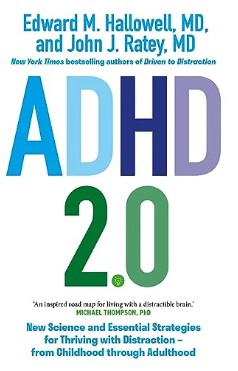
Book Review – ADHD 2.0 by Edward M Hallowell MD March 2026
Book review: The Gift of Anxiety – Harnessing the EASE method December 2025
What happened to you? Conversations on trauma, resilience November 2025. Book review: What happened to you? Conversations on trauma, resilience and healing by Bruce D Perry (psychiatrist) and Oprah Winfrey
Introduction to Internal Family Systems (IFS) October 2025. An overview of the therapeutic approach IFS that seeks to explore your internal parts – the exiles, managers and firefighters – and develop a greater sense of self and calm.
Attached by Dr Amir Levine and Rachel Heller August 2025. How attachment theory can help you understand your relationship style – secure, avoidant and anxious.
Book review – Feel the fear and do it anyway by Susan Jeffers June 2024. Classic self-help book on managing anxiety
Book review – Counselling for toads May 2025. The modern classic explaining Transactional Analysis (TA) using a story by Robert de Board using Toad and other characters from “Wind in the Willows”
Book Review: The Power of Now by Eckhart Tolle March 2025 A best-selling guide to ceasing your incessant thoughts, focusing on the present “here and now”, spiritual enlightenment and finding inner peace.
Overcoming low self-esteem – a self help guide using cognitive behavioural techniques by Melanie Fennell January 2025
Book review: Taking charge of Adult ADHD by Russell A Barkley (kimtasso.com) October 2024
“Adult children of emotionally immature parents – how to heal (kimtasso.com) August 2024 An excellent book that has helped several clients suffering from anxiety, depression and “failed” relationships. How to recognise emotional, driven, passive and rejecting parenting styles and the coping mechanisms adopted (e.g. people pleasing, high independence etc).
Book reviews on stress and trauma – “When the body says No” (kimtasso.com) June 2024 Review of “When the body says no – The cost of hidden stress” by Gabor Mate and “The body keeps the score – mind, brain and body in the transformation of trauma” by Dr Bessel Van Der Kolk
Book review: The Thriving Lawyer by Traci Cipriano (resilience) (kimtasso.com) June 2024 A review of a book into the mental health and resilience of lawyers in law firm cultures. The author is a former practising attorney and clinical psychologist.
The Tools – Five life-changing techniques to unlock your potential (kimtasso.com) April 2024 A review of the book by psychiatrist Phil Stutz
Book review – Creating self-esteem by Lynda Field (kimtasso.com) March 2024 A classic book on realizing your true self worth
Book review: How to do the work (recognise your patterns (kimtasso.com) December 2023. Review of a book to support psychoeducation. Topics include: conscious self, theory of trauma, mind-body healing practices, inner child, boundaries, reparenting and emotional maturity.
Dr Julie Smith (Mental Health Guidance) (kimtasso.com) July 2023. Review of the book “Why has nobody told me this before?” that explores helpful ideas on low mood and depression, motivation, anxiety, emotional pain, grief, self-doubt, fear, stress and a meaningful life.
Overcoming clinical depression (2021) by Oliver Kamm (kimtasso.com) March 2023. A review of the book “Mending the Mind” which explores what it is like to suffer from depression and both the medical and psychological sources of help.
Lost connections – Why you’re depressed by Johann Hari (kimtasso.com) October 2019. A review of a popular book about the nine common reasons people suffer from depression.
Crazy busy – Book review – Dealing with stress (kimtasso.com) October 2009. This book examines modern life and offers practical advice to avoid stress and restore calm.
Book review: The psychology of successful women by Shona Rowan (kimtasso.com) June 2022. Topics include: confidence, assertiveness, boundaries, public speaking, impact, influence, visibility and bouncing back from setbacks.
Your personal transition – Endings, neutral zone and new beginnings (kimtasso.com) June 2020. Helps you navigate major changes in your life and prepares you for the emotional roller-coaster of change.
Short videos on therapy and mental health topics
Soft skills – Boost your self-confidence and confidence (Video) (kimtasso.com) October 2020
Business relationships – Using the drama triangle to resolve conflict (kimtasso.com) September 2020
How the parent, adult, child (PAC) model helps with difficult interactions (kimtasso.com) September 2020
Change process – Emotions when reacting to change (kimtasso.com) April 2020
Building Resilience – Regulation, Reframing, Relationships and Reflection (kimtasso.com) May 2020