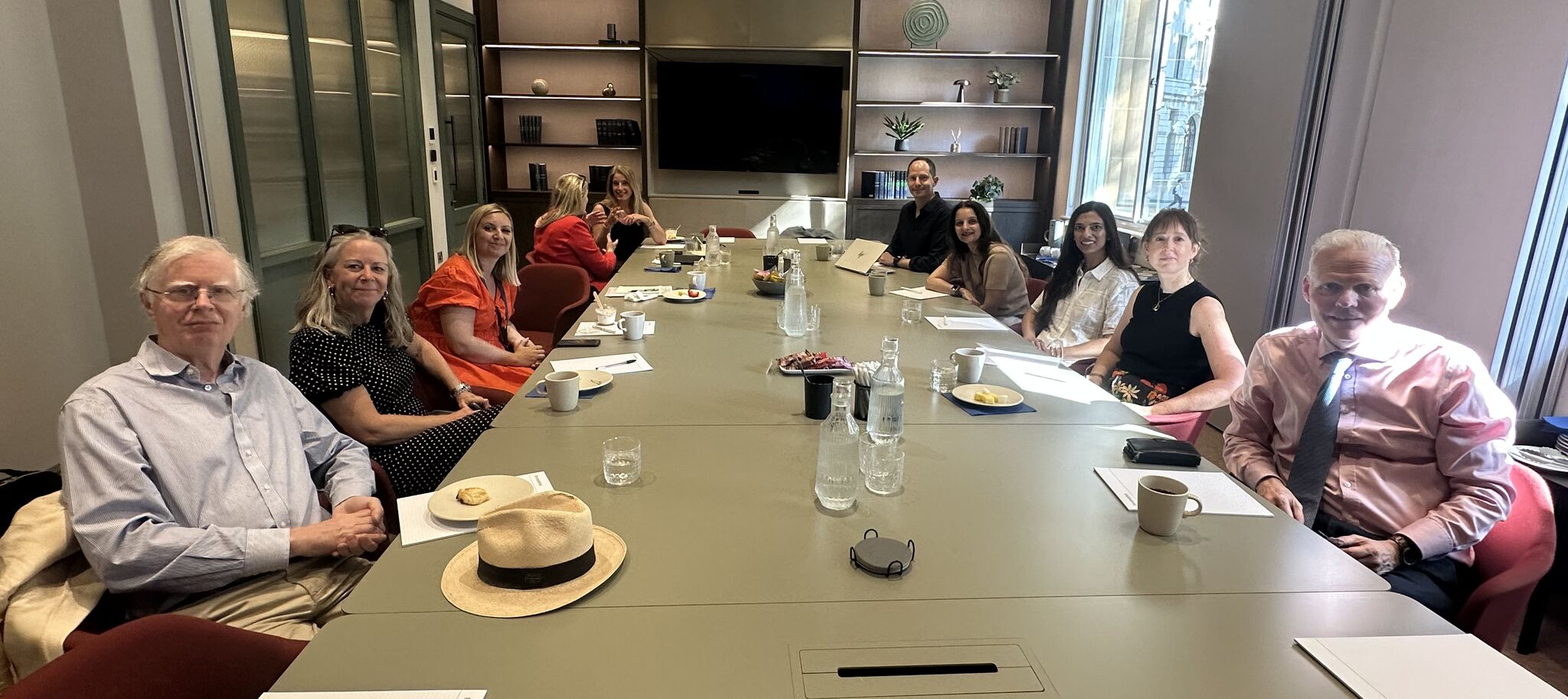


Well done to the select group of delegates who battled through the London tube strike and rain to arrive EARLY for a PM Forum workshop day on marketing and business development (MBD) management. Thanks too to Dentons for hosting and the generous hospitality. Future marketing and business development managers – The delicate balancing act.
Delegate aims
Not surprisingly, delegate aims were focused on personal and career development
- Prepare for and move towards promotion
- Look towards next step after a recent promotion
- Reinforce ideas about MBD management
- Become more strategic
- Keep things fresh (inspiration)
- Prepare to hire an assistant
- Review relevant skills needed
- Become smarter and more confident
Becoming a marketing and business development manager is a balancing act
“Balance is not something you find, it’s something you create” Jana Kingsford (author of Unjuggled: Lessons from a decade of blending business, babies, balance and big dreams”)
Throughout the day, we considered how often we are trying to balance two conflicting things
-
Marketing and Business Development activities
Some firms have separate marketing and business development teams.
Broadly speaking, the marketing team strives to improve awareness, engagement and lead generation across markets. It’s a one-to-many relationship.
Whereas business development is focused on creating and developing relationships with specific organisations, referrers, clients and prospects. It’s about one-to-one relationships.
Yet marketing and business development must be integrated. First, by an over riding strategy and goals. Second, by consistent messages and themes. Third, throughout the client journey – so messages received through social media, email and events are consistent with those in conversations with fee-earners.
-
Technical skills and “soft” skills
At the start of your marketing career, the focus in on technical skills. Learning about the relevant marketing theories and concepts. You become adept at using an ever-growing list of technical skills in digital marketing, web analytics, email marketing and automation and AI tools.
That technical skills development never really stops. Yet as you move into more senior roles the importance and value of “soft” skills increases. We have to communicate brilliantly, influence and persuade, manage and motivate.
-
Tactical and Strategic
At junior levels, marketing and business development roles are mostly tactical. We find the best way to implement the plans and campaigns to achieve the agreed objectives. We focus on refining our use of tools – whether they are in social media channels, email marketing, event management or web site analytics and optimisation.
Yet as we progress in our careers, we need to become more strategic. To take a helicopter view and see the big picture. We must help our fee-earners articulate their goals. Then we must choose the best strategies to achieve those goals most efficiently and effectively – within our agreed values.
-
Efficient and effective
Peter Drucker said: “Efficiency is doing things right; effectiveness is doing the right things”
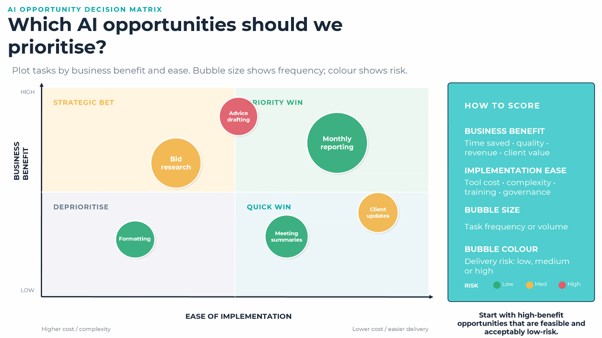
With an emphasis on productivity, we constantly seek ways to do things faster and more efficiently. We see this most acutely in the area of artificial intelligence. We use AI to make processes quicker and AI assistants to take over repetitive, routine tasks.
Yet to be effective we have to choose the right things to do. Yes, of course these change. We deploy our strategic, innovative and creative skills to select the right approach to each challenge. Sometimes, when trying things for the first time, we might have to sacrifice some efficiency while we attempt the “trial and error” approach.
But for both effectiveness and efficiency we need goals and measurement.
-
Reactive service and proactive advice
Junior roles are often focused on providing a responsive service to the requests of fee-earners and others in the marketing and business development team and other support teams. Some firms have dedicated operational hubs or marketing services centres to provide this reactive service.
As we progress, to help improve effectiveness, we have to switch to being more proactive. We have to understand the needs, help articulate goals and use our powers of persuasion to convince people that there might be a better way.
It’s back to balancing efficiency with effectiveness. But it’s also about shifting our roles from “doing” to “advising”.
-
Rational and Emotional
As humans, we operate both from a rational, logical perspective and from our emotional selves. In the workplace, our professional selves might major on rational. At home, we might focus more on emotions. But we do need a balance.
In marketing and business development, we must use rational and reasoning skills to analyse, synthesise, plan and measure. We draw on theory, frameworks, market trends, competitor analysis and client feedback. That’s the data-driven, evidence-based approach.
Yet we must also recognise that the majority of clients’ purchase decisions are based largely on emotional factors. Essentially, success relies on our fee-earners forging strong relationships with prospects, clients and referrers.
And to be our authentic selves, and to manage our teams, we must develop empathy, tune into the emotions of others and be honest in our emotions.
-
Task and Relationship
As we move into management and leadership roles – where we have team members to lead and colleagues with whom we must collaborate we have to balance task and relationship. Yes, we must ensure that we achieve the task agreed – meet the goals, achieve the objectives, implement the agreed plan.
Yet we must take people with us – recognising both the needs of the individuals and those of the team.
-
Assertiveness and listening to feedback
“Feedback is the breakfast of champions” Ken Blanchard
Whilst we need confidence and assertiveness to win hearts and minds and get things done. We also need to be open to suggestions and feedback. Collaboration is key. So balancing the need to assert our opinions with listening to others’ points of view becomes the way forward.
-
Business as Usual (BAU) and the future
All leaders have to manage the delicate balance between tackling the ever-growing demands of everyday life – business as usual – with the ability to change things for the future.
It mirrors the tactical and strategic difference mentioned above. But it is more about implementation – having a clear vision of where we want the firm, team or project to get to in the future. While optimising whatever we have to achieve day-to-day.
The challenge is around time management. If we use every moment of the day to get things done (efficiency), where do we find the time to step back and think about what else we could or should be doing (effectiveness)?
-
Optimism and pessimism
“Shoot for the moon. Even if you miss, you’ll land among the stars” Norman Vincent Peale
We need to be positive and believe that our ideas and campaigns will work. Yet we need to be pessimistic to think about all the risks and things that could go wrong that might thwart our plans.
German Psychologist Gabriele Oettingen argued we should combine both optimistic and pessimistic strategies by comparing a positive outcome and simultaneously concentrating on the obstacles. Only this “mental contrasting” method is correlated with actual achievement.
Current research supports Oettingen’s WOOP method (Wish, Outcome, Obstacle, Plan) noting “By fooling our brains into thinking we are already successful, we lose motivation and energy to do what it takes to actually become successful”
Delegate takeaways
During the workshop, delegates choose their favourite words: goals, strategic, organized, assertive, confidence, tenacious, communication, capable, future thinking, ambition
Their key takeaways were:
- Identify gaps in my knowledge and skills
Proactive Marketing and BD Executive: Skills questions – Kim Tasso
Chartered Institute of Marketing (CIM) updates standard
Marketing Manager Apprenticeship – a Level 6 Qualification
- Plan for career development – Focus on analysing our strengths and weaknesses and think about our goals for the future. Several delegates committed to preparing a personal development plan
Managing challenging behaviour and Personal Development Plans
How to advance your career in professional services marketing
- Develop a personal brand – Some delegates said that they would use the personal brand worksheet to think further about their personal brand so that they became more visible in their firms and more competitive in the jobs market.
How to create and promote your personal brand – Kim Tasso
LinkedIn personal branding for women in real estate – Kim Tasso
- Be more strategic – A commitment to allocate time to step back and take the helicopter view of the bigger picture. To analyse external and internal environments and align and focus marketing and business development activities on the agreed objectives
Be more strategic – Strategy is about making choices
Book review: The Strategy Book by Max McKeown
- Use THE SOSTAC framework – Bring discipline, structure and strategy to marketing and business development planning with the SOSTAC framework (Situation, Objectives, Strategy, Tactics, Action, Control)
Marketing planning in a nutshell – simple and complex plans
SOSTAC® Planning Official Site
- Develop a power base – Amongst the influence and persuasion tools, we considered personal power (the Jessica and Harvey model of Presence, Impact and Authority). We also considered how we might increase internal engagement by developing champions, sponsors and supporters amongst the fee-earners.
Assertiveness toolbox – Kim Tasso
How do you make a personal impact – Make a difference
- Be more curious and ask more questions
What is curiosity and why is it important in business relationships? (Video)
The Human Edge – How curiosity and creativity are your superpowers
- Manage “difficult” relationships (with fee-earners and team members)
Resources to help you deal with difficult interactions
How do I deal with difficult partners? – Kim Tasso
Related articles for future marketing and business development managers in professional services
Improve mental health at work, in marketing and for women September 2025
CPD and Chartered Marketer status renewed – Kim Tasso August 2025
LinkedIn personal branding for women in real estate – Kim Tasso June 2025
Assertiveness toolbox – Kim Tasso May 2025
Towards leadership – Elevate your Presence, Influence and Impact April 2025
Transition from technical expert to adviser March 2025
Marketing case studies – Digital thought leadership campaigns February 2025
Be more strategic – Strategy into Action (Strategy Implementation) December 2024
Planning Digital Marketing Campaigns and Content Strategy November 2024
Managing challenging behaviour and Personal Development Plans September 2024
create a digital marketing strategy in a professional services firm (kimtasso.com) September 2024
Chartered Institute of Marketing (CIM) updates standard (kimtasso.com) September 2024
Update on event management – Kim Tasso August 204
fixed views and closed to new ideas (dealing with stubbornness) (kimtasso.com) July 2024
Hands on guide to SEO (digital marketing training) – Kim Tasso July 2024
18 ways to stretch MBD resources (kimtasso.com) June 2024
Build your brand advantage with PM Forum and Sholto (kimtasso.com) June 2024
KAM – Less is more and take a different perspective (kimtasso.com) June 2024
The future shape of a Proactive MBD Executive? (kimtasso.com) May 2024
Pitches, tenders and proposals – Efficiency (systems) (kimtasso.com) May 2024
How to create and promote your personal brand – Kim Tasso May 2024
Be more strategic – Stretch your strategy muscle (kimtasso.com) May 2024
Highlights of social media best practice – with Chloe Christine (kimtasso.com) May 2024
Marketing and BD case studies in legal, accountancy, consultancy (kimtasso.com) April 2024
Future Marketing Manager – New product development (kimtasso.com) March 2024
Email marketing and automation with TBD and PM Forum (kimtasso.com) March 2024
Cross-selling and referrer management – Data, focus (kimtasso.com) March 2024
Future Marketing and Business Development Manager: Connections (kimtasso.com) December 2023
Case studies: Marketing and Business Development at law (kimtasso.com) November 2023
Book review: The Strategy Book by Max McKeown (kimtasso.com) November 2023
System review: CogniClick for instant, personalised research (kimtasso.com) October 2023
Preparing M&BD professionals for the future – learning, skills (kimtasso.com) October 2023
marketing and business development (M&BD) team structures (kimtasso.com) September 2023
Pitching, differentiation and competitor analysis (kimtasso.com) June 2023
Future Marketing/BD Manager – Build resilience (kimtasso.com) March 2023
Future Marketing/BD Manager – Build your personal brand (kimtasso.com) December 2022
Book review: Build your digital marketing strategy by Steve Brennan (kimtasso.com) May 2022
Future Marketing (BD) Manager – Ogres, Cacti and Dance the POLCA (kimtasso.com) March 2022
Book review: B2B Marketing strategy (kimtasso.com) February 2022
Marketing Manager Apprenticeship – a Level 6 Qualification (kimtasso.com) January 2022
Future Marketing (Business Development) Manager (kimtasso.com) December 2021
Strategies for developing a private client practice – Business development (kimtasso.com) September 2021
Resources to help you deal with difficult interactions (kimtasso.com) February 2021
Emerging marketing and business development roles (kimtasso.com) September 2020
dog, cat and bear personalities – Better business relationships (kimtasso.com) April 2020
Future Marketing Manager – success and how to get promoted (kimtasso.com) May 2019
Advanced Marketing Management: Principles, skills and tools (kimtasso.com) May 2019
Malcolm McDonald on value propositions – How to develop them (kimtasso.com) May 2019
Future Marketing Manager – T-shaped people, senior promotions (kimtasso.com) April 2018
Marketing planning in a nutshell – simple and complex plans (kimtasso.com) June 2017
Assertiveness skills – getting what you want and saying “No” (kimtasso.com) March 2017
35 tips to improve Time Management for busy professionals (kimtasso.com) January 2017
Productivity – Inputs vs outputs Achieve more by doing less (kimtasso.com) February 2010